Garden Journal
Featured
Bio Profiles
Featured
Every year, the first question is the same: where do you begin?
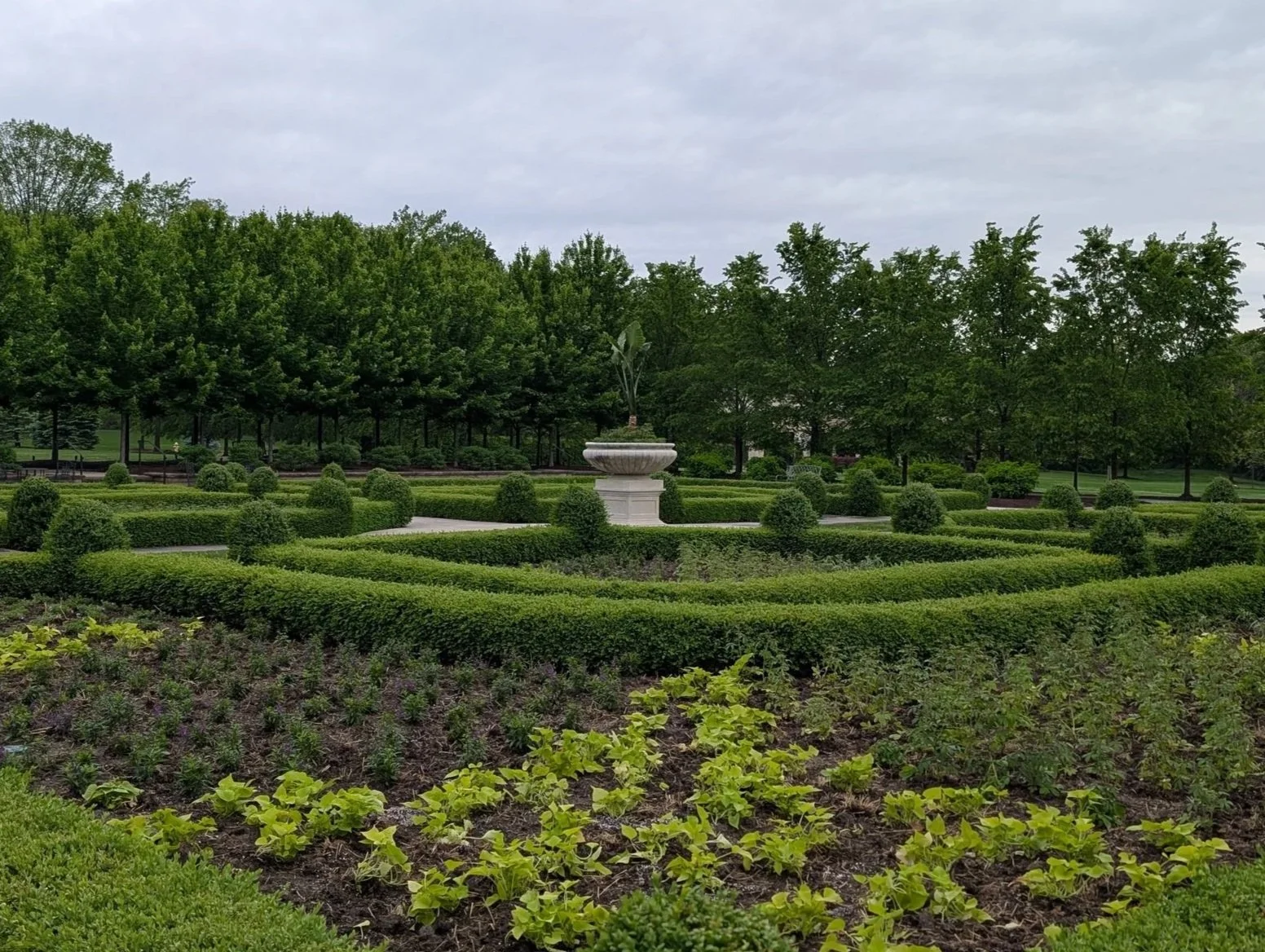
The structure is there, the French-inspired beds, the boxwoods, the walkways. The season will come. What you need is a reason, something to pull the design forward and give it a center.
Time flies — we hear it constantly. Here's proof.
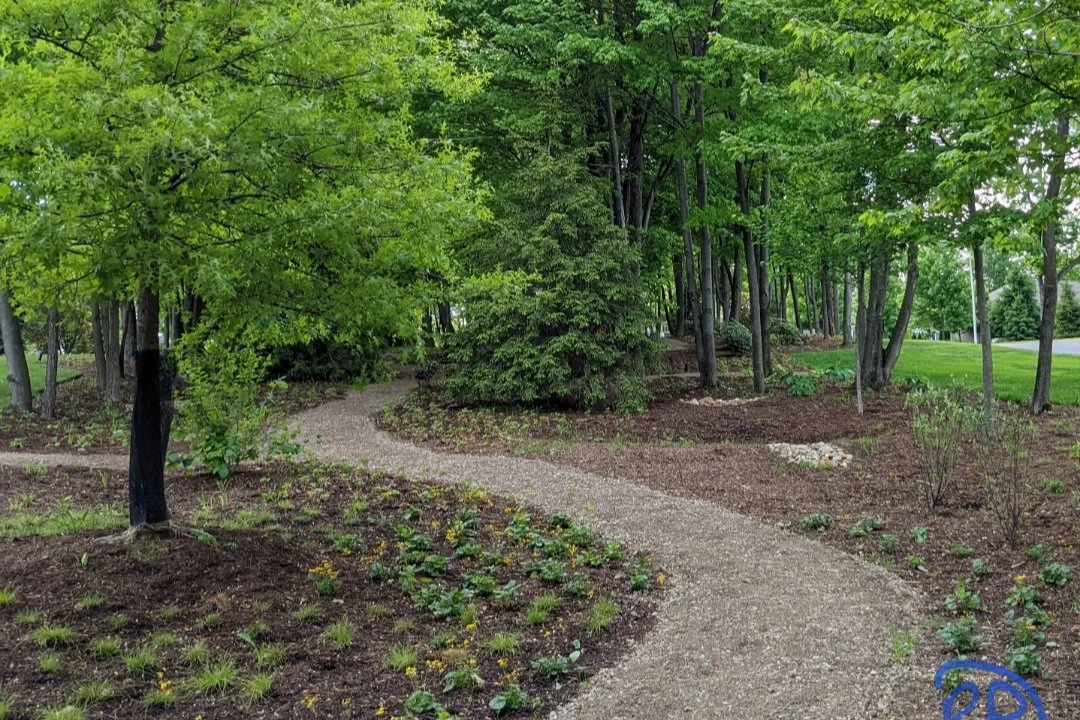
These before-and-after photos show a woodland native garden we installed (designed by @militcadenee) on a site with a complicated past. Back in the 1950s, a service road ran through this area during interstate construction. By the time we got here, it had become neglected mulch beds, struggling grass, washouts, and runoff on a dry, compacted ridge.
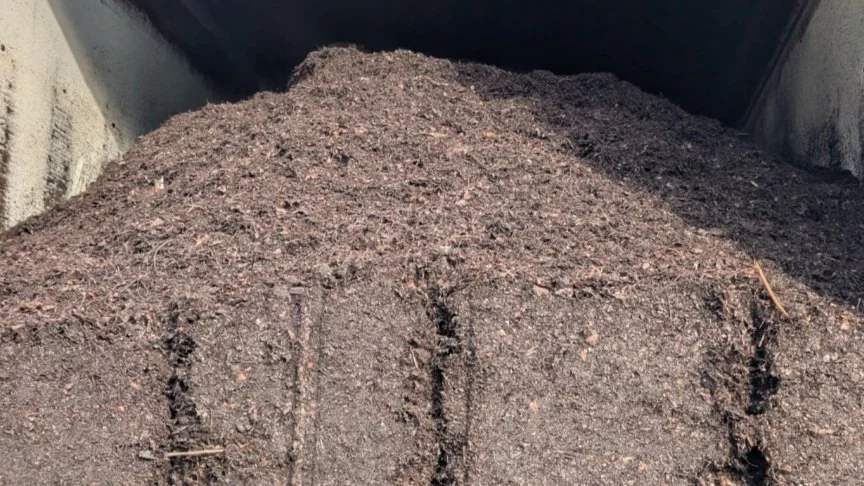
Mulching season has begun, and every season, the question is whether there is a better way.
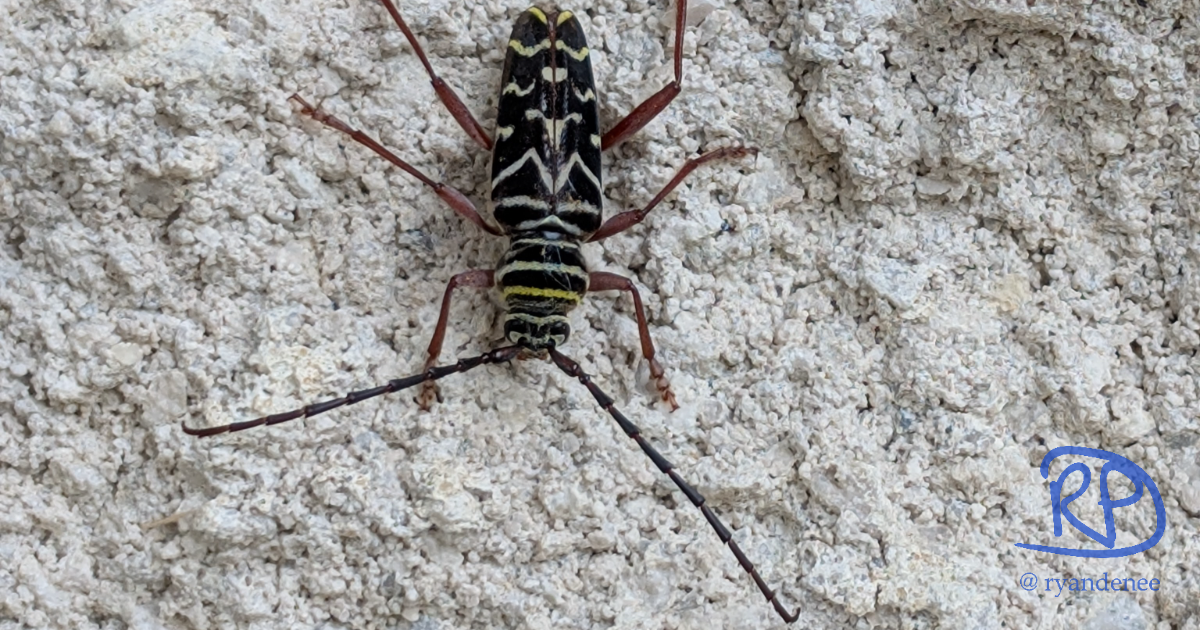
A native longhorn beetle
On warm spring days, this slender beetle sometimes appears on the sunlit side of a recently fallen hardwood.
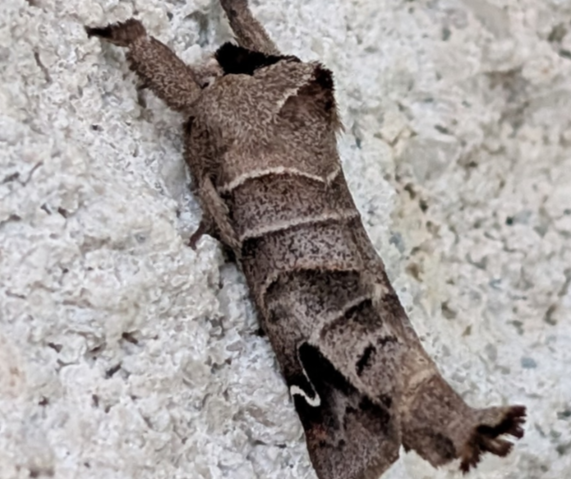
I don’t often see this moth during the day. When I do, it’s pressed against the pale bark of a willow or young cottonwood, with wings folded tightly and body angled upward, as if it grew there.
At first, it disappears.
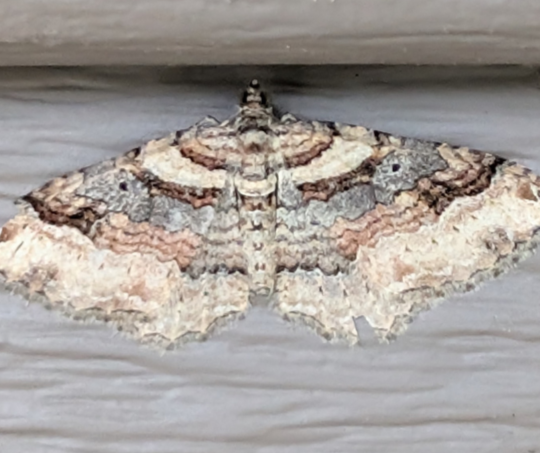
I usually notice this one only after it has already stopped moving.
Pressed flat against bark or siding, the wings held open and still, the moth looks less like an insect and more like pattern—something woven into the surface itself.